Nazra Quran
Read the Quran with better fluency, pronunciation, and regular practice.
About the Madrassa
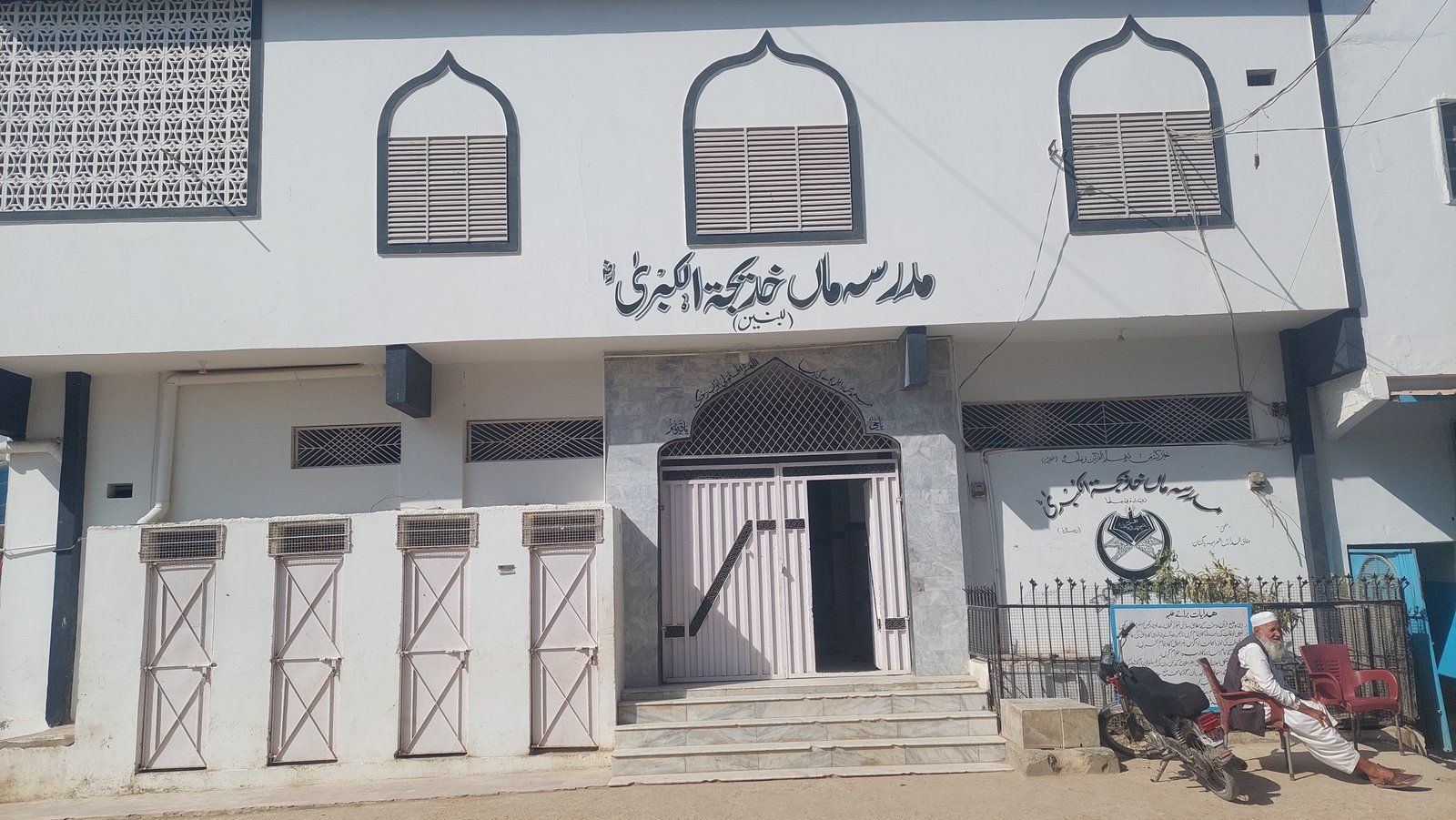
Madarsa Maa Khadijatul Kubra offers Quran, Arabic, and Islamic Studies classes in a focused learning environment.
Who we are
Madarsa Maa Khadijatul Kubra serves families in Shah Latif Town, Karachi, and nearby areas. Students can begin with Noorani Qaida and continue through Nazra Quran, Hifz, Tajweed, Arabic, and Islamic Studies. Lessons follow a regular routine, and teachers guide each student according to their level. The Madrassa also keeps families informed about attendance and progress.
View programsOur purpose
We aim to help students learn their faith, build good habits, and carry Islamic values into daily life.
We want students to read the Quran well, understand the foundations of Islam, and put what they learn into practice with humility.
Our story
The Madrassa was established to make Quran and Islamic learning available to children, young people, and adults in the local community.
It began in response to families who wanted Quran, Tajweed, and basic Islamic Studies classes closer to home. As more students joined, the Madrassa introduced regular schedules and different learning levels.
Today, students can study Noorani Qaida, Nazra Quran, Hifz, Tajweed, Arabic, Fiqh, and Islamiat. Each program has its own learning path, and families can speak with teachers about the student's progress.
The name Maa Khadijatul Kubra honours Sayyida Khadija (may Allah be pleased with her). Her strength, sincerity, and support for truth and knowledge continue to inspire the work of the Madrassa.
From the leadership
Every student is a trust from their family. We want each student to build a lasting connection with the Quran, understand their faith, and develop the discipline to keep learning. We ask Allah to accept this work and make it beneficial for our students, their families, and the wider community.
What students learn
Students learn the Quran and Islamic subjects while building the habits needed for regular study.
Read the Quran with better fluency, pronunciation, and regular practice.
Memorize the Quran through new lessons, daily revision, and teacher guidance.
Learn the rules and pronunciation needed for correct Quran recitation.
Learn Arabic letters, sounds, and the first steps of Quran reading.
Learn basic Islamic rulings related to worship and daily life.
Study beliefs, worship, adab, Seerah, and good character.
Build reading and vocabulary skills for Quran and Islamic Studies.
Follow fixed class times and a planned course of study.
Review student progress and share useful feedback with families.
Build habits through attendance, homework, participation, and respectful conduct.
How we teach
Teachers explain each lesson, listen to students, correct mistakes, and review earlier work before moving on.
Students learn at different speeds. Teachers give extra guidance where it is needed, especially in Quran reading and memorization.
Students begin at the right level and move forward when they are ready. Their next program depends on their progress and goals.
Quran lessons include time to review earlier work. This helps students remember what they have learned and improve their recitation.
Fiqh and Islamic Studies include practical examples that students can understand and use at home and in the community.
Teachers speak with parents about attendance, progress, and any areas that need more practice.
Students learn to listen, make a sincere effort, and treat teachers and classmates with respect.
Learning environment
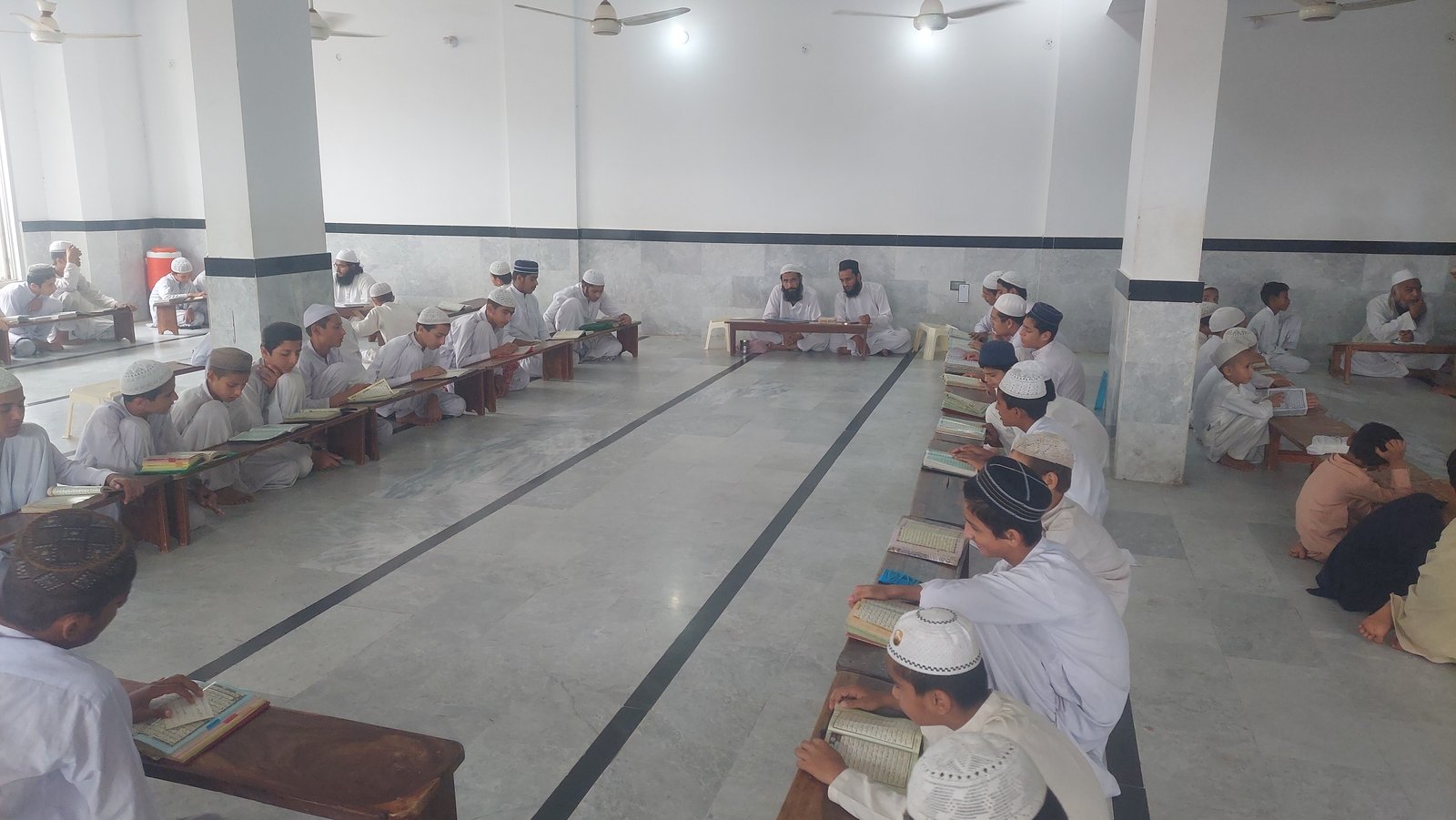
Classes are organized to help students listen, practise, and learn without unnecessary distraction.
Lessons follow a regular routine so students know what to do and can focus on their work.
Boys and girls study in separate buildings with suitable teacher arrangements.
Students are expected to arrive on time, complete their work, and show respect to teachers and classmates.
Quran learning needs steady practice. Families are asked to support regular attendance throughout the program.
Teachers supervise students during class hours and help maintain an orderly learning environment.
View the available programs or contact the Madrassa for help with admission.